
Japan tripled its departure tax and quintupled visa fees — so why is it still this cheap?
July 8, 2026
Japan spent the first week of July making headlines for the wrong reason. On 1 July, the government tripled its International Tourist Tax — the "sayonara tax" folded into every departure ticket — from ¥1,000 to ¥3,000, and quintupled visa application fees for the first time in nearly 50 years. Read the wire copy and you'd think a Japan trip just got a lot more expensive. For Hong Kong travellers, it barely moves the needle — the yen is still doing far more for you than Tokyo's new charges are doing against you.
The fee hikes, in plain numbers
- Departure tax: ¥1,000 → ¥3,000 per person, built into the airfare on tickets issued from 1 July 2026. That's an extra ¥2,000 — roughly HK$100 — that nobody notices at the counter, because nobody pays it at the counter.
- Visa fees: single-entry tourist visas jump from ¥3,000 to ¥15,000; multiple-entry from ¥6,000 to ¥30,000. This is the number driving most of the outrage — and it doesn't apply to you. Hong Kong SAR passport holders are among roughly 74 visa-exempt nationalities: you land, get a 90-day stamp, no application and no fee, exactly as before.
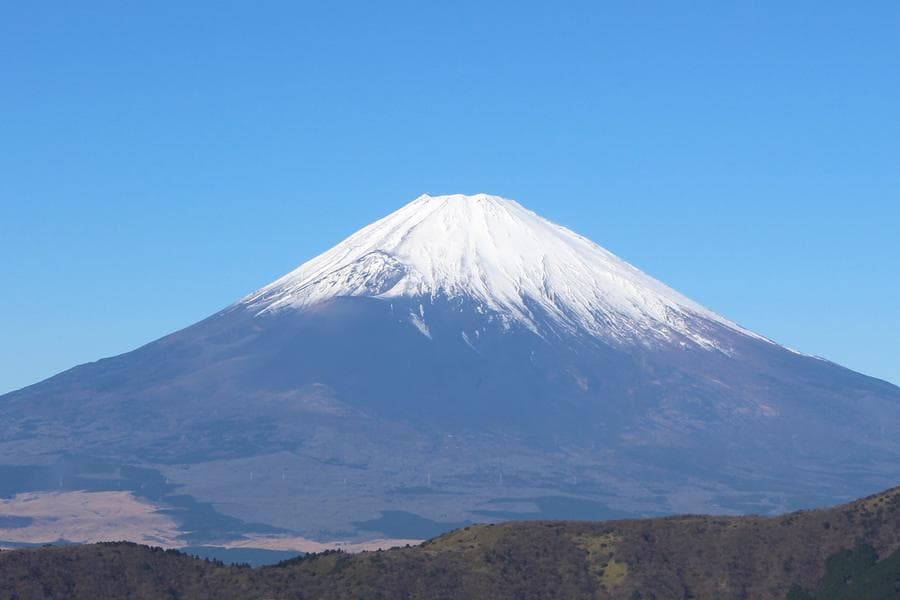
- Mount Fuji: a stricter 2026 climbing regime adds a mandatory ¥4,000 fee with advance online reservation, plus a 4,000-hiker daily cap on the Yoshida trail. A real cost, but only if you're climbing.
What's actually driving this
None of it is really about the yen — it's overtourism. Viral Instagram spots near Fuji have turned quiet towns into traffic jams, Kyoto has restricted photography in its geisha districts, and Fujiyoshida cancelled a cherry-blossom festival outright because residents had had enough of the crowds it drew. The fee increases are Tokyo's way of clawing back some control — and revenue — from a tourism boom the weak currency helped create in the first place.
The maths that actually matters
Run the two changes that do reach a Hong Kong traveller — the tripled departure tax and, only if relevant, the Fuji fee — against a yen sitting near a 40-year low, and the currency discount swamps the fee increase many times over. A week in Japan still costs meaningfully less in HKD terms than it did a few years back, new charges included.
The one cost actually worth watching isn't a government fee at all: hotel rates, which hit a record nationwide average this spring as demand keeps climbing. Fees are flat and one-off; room rates move with the season and the calendar, so book accommodation ahead rather than counting on the exchange rate to cover a last-minute splurge.
Booking around it
- Visa-exempt already? If you're travelling on an HKSAR or BNO passport, skip the visa headline entirely — it was never your fee.
- Climbing Fuji this summer? Reserve your slot and pay the ¥4,000 online in advance; the Yoshida trail's daily cap means walk-ups can simply be turned away.
- Lock in the big-ticket items now — flights, hotels, rail passes — while both the yen and the rest of the maths are still on your side.
See exactly where Japan sits against its own decades of history on the destination page, and for how we turn inflation and FX into one real-feel number, the methodology has the detail. The headlines say Japan just got pricier. For a Hong Kong dollar, it mostly didn't.