
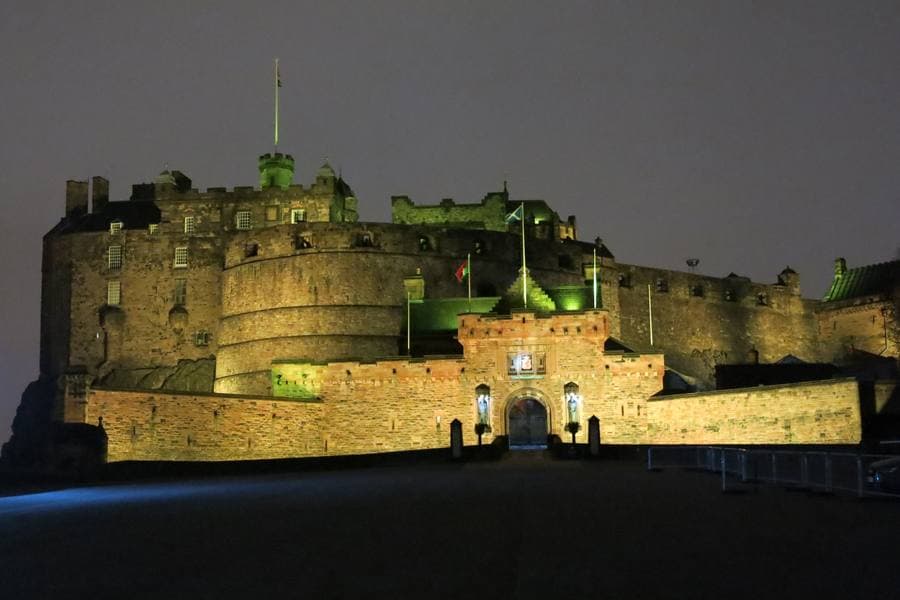
Edinburgh Just Became the UK's First City With a Visitor Tax — Here's What It Actually Costs You
July 21, 2026
Scotland's capital adds a charge to every overnight stay from 24 July 2026 — a genuinely new rule, not a rumour, and the first mandatory tourist tax anywhere in the UK. If Edinburgh is anywhere on your list this year, here's what's actually changing, and — more useful — whether it changes anything about whether to go.
What's happening on 24 July
Under the Visitor Levy (Scotland) Act, the City of Edinburgh Council is adding a 5% charge on top of the pre-VAT room rate for every stay in a hotel, B&B, guesthouse, self-catering flat or short-term let within the city. The levy is capped at the first five consecutive nights of any stay, so a longer trip doesn't keep accumulating charges. It's collected by the accommodation provider at the same time as the room rate — nothing to queue for or pay separately on arrival.
The tax itself is the smaller number
Run the actual math and the levy barely moves the needle. On a mid-range £150-a-night Edinburgh hotel room, 5% is £7.50 a night — about HK$79 at current rates. Over a four-night trip, that's roughly HK$315 added to a booking that, flights and food included, will run well into five figures. It's the same shape as the tourist-tax headlines out of Barcelona and Kyoto this year: real money, but not the number that should decide your trip.
The bigger number: the UK is at its most expensive in a decade
The levy is landing at an awkward moment, though — not because of the tax, but because of the currency it's charged in. Our real-feel index tracks the United Kingdom against its own trailing ten years of currency and inflation moves, adjusted to Hong Kong dollar terms, and right now the UK sits at the very top of that range: its most expensive point in a decade, running about 26% pricier than Hong Kong for the same basket of goods. Sterling hasn't collapsed the way the yen has for Japan, or the peso has for Mexico — it's simply firm, at a moment when everything else, flights, hotel rates, restaurant prices, has also drifted up. The 5% levy is a rounding error on top of that; the real reason Edinburgh feels pricier this year is the exchange rate, not the new line item on your bill.
How to actually plan around it
None of this rules Edinburgh out — the castle, the Old Town and the Highlands day trips it opens up don't get cheaper anywhere else. But it does argue for tightening the parts of the trip you can control: book a self-catering flat outside the historic core to soften both the levy base and the nightly rate, eat where locals eat rather than on the Royal Mile, and treat the National Museum of Scotland and the free galleries the way you would in London — as the trip's actual value, since entry is free regardless of what sterling is doing. The tax is new; the reason to budget carefully isn't the tax.
See how the UK reads against its own decade of history on its destination page, and how Edinburgh compares to London and Manchester on its city page. Our methodology explains how the real-feel number is built.