
Indonesia's Rupiah Hit a Record Low — Is Bali Now One of 2026's Best-Value Trips?
July 24, 2026
Indonesia's rupiah just posted its weakest run in decades, and almost nobody outside currency-trading desks noticed. The currency slid roughly 8% against the US dollar in the first half of 2026 alone, hitting a record low of 18,190 per dollar in early June before Bank Indonesia's surprise rate hike clawed back a sliver of ground. It's still trading near 17,900–17,960 as of this week — down close to 10% from a year ago, when a dollar bought about 16,280 rupiah. None of this is really about Indonesia. The trigger sits thousands of kilometres away: the renewed US-Israel-Iran conflict has driven up energy prices, and Indonesia — a net energy importer — has watched oil and gas import bills jump 85% year-on-year, dragging the currency down with the trade balance. For Hong Kong travellers eyeing Bali, Lombok or Jakarta, that's an accident of geopolitics that happens to be landing in your favour.
What a weaker rupiah is actually worth to you
The Hong Kong dollar is pegged to the US dollar at roughly 7.8, so it rides the dollar's strength against the rupiah almost one-for-one. A year ago, HK$1 bought around 2,087 rupiah; today it buys close to 2,299 — nearly 10% more purchasing power on the ground, for exactly the same Hong Kong dollar. Crucially, that gain is real, not an inflation illusion: Indonesia's core inflation is running at 2.76%, comfortably inside the central bank's 1.5–3.5% target band. When a currency falls 10% and prices rise 3%, the gap — roughly 7 percentage points — is money genuinely staying in your pocket, not being clawed back at the till.
Where it shows up on the ground
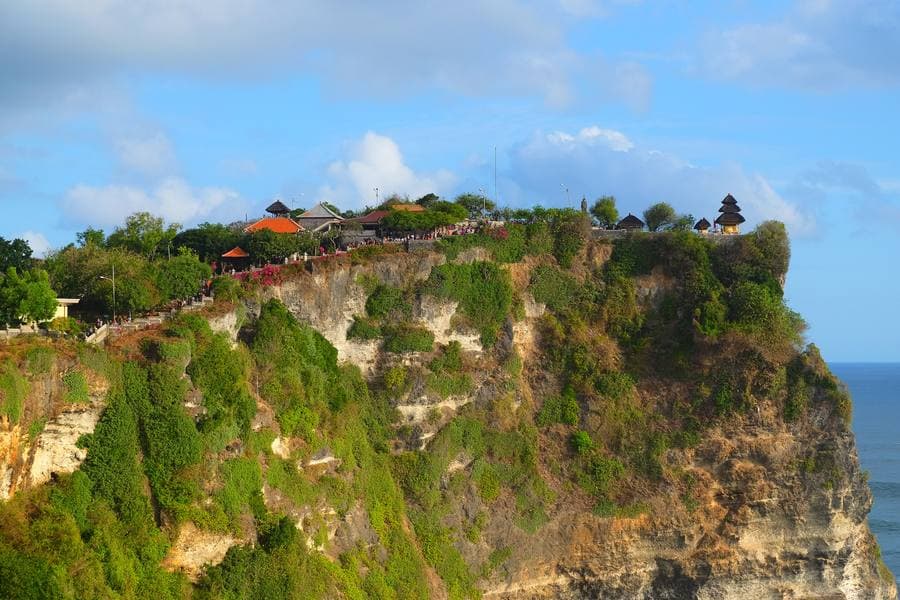
Bali remains the obvious base: a clean guesthouse runs US$10–15 a night, a mid-range villa with a private pool sits around US$50–100 (IDR 750,000–1.5 million), and even the well-reviewed pool villas that felt like a splurge two years ago are creeping toward "affordable." A realistic 10-day mid-range trip — hotel, food, transport, day trips — now lands around US$1,200–1,500 per person before flights, roughly HK$9,400–11,700, and that budget stretches further than the sticker suggests once you account for the rupiah's slide. If Bali itself feels overexposed, its quieter neighbour Lombok and the Gili Islands carry the same exchange-rate tailwind with none of the crowds.
The catch
Bank Indonesia has already shown it will step in — the June rate hike pulled the rupiah back from its absolute low, and further intervention could claw back some of this window if the central bank decides the slide has gone too far. Money-changer spreads in tourist areas also eat into the headline rate, so use a bank card or a reputable changer in a city centre rather than an airport kiosk. And imported goods — foreign wine, electronics, anything shipped in rather than grown or made locally — don't get cheaper just because the rupiah does; the real gain concentrates in labour-priced things: hotels, food, transport, spa days.
The bottom line
A currency crisis for Jakarta is a discount window for Hong Kong. The rupiah's slide is real, driven by forces that have nothing to do with Bali's readiness to host you, and it's currently sitting near the weak end of its own multi-year range. See exactly where Indonesia sits against its own price history on the destination page, or check Bali specifically before you book.