
Venice's Day-Trip Fee Ends Sunday — But Italy Just Got Pricier Than It's Been in a Decade
July 23, 2026
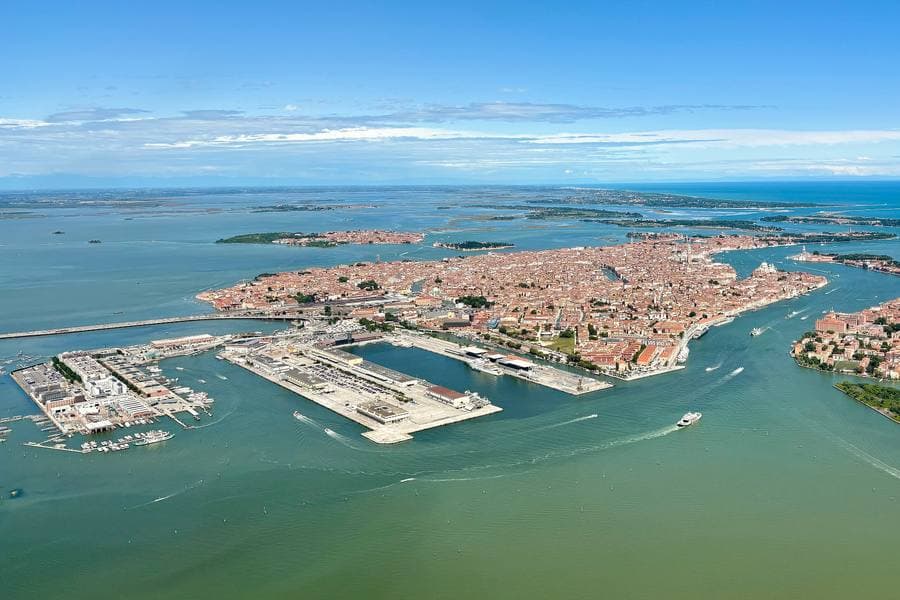
Venice's day-tripper entry fee goes quiet again this Sunday, 26 July — the last day of its third and longest season yet, 60 fee days spread across April to July. Walk into St Mark's Square today or tomorrow and you're still paying to get in; walk in on Monday and it's free again until the scheme resumes in spring 2027. That closing bell makes this weekend the moment to actually run the numbers, because the fee itself turns out to be the smaller story.
A toll that's grown every year it's existed
Venice piloted the access fee in 2024 with 29 chargeable days and collected about €2.4 million. In 2025 the council stretched it to 54 days and took in roughly €5.4 million from over 720,000 payments. This year it's 60 days, running 08:30–16:00 on the city's busiest dates, with the last block falling on 24–26 July. Day-trippers aged 14 and over pay €5 if they book at least four days ahead, or €10 if they leave it later — the classic "pay now or pay double" structure. Anyone staying overnight in registered Venice accommodation is exempt, since they're already covering the city's separate lodging tax.
What €5–10 actually costs a Hong Kong traveller
At today's rate of roughly HK$8.95 per euro, the advance fee comes to about HK$45; the late one, about HK$89. A family of four walking in unbooked on the last Saturday of the season pays around HK$355 combined — less than a single vaporetto day pass for the group, and a rounding error against a Venice day that also includes a €9.50 water-bus ticket, a €6 standing espresso that becomes €10+ if you sit near the Rialto, and gondola rides still running €80–100 for 30 minutes. The fee was never going to be the line item that decides whether Venice is worth it.
The number that's actually moved: Italy is pricier than it's been in a decade
Run Italy through our real-feel index — inflation and the euro's exchange rate tracked against Hong Kong dollars, over a trailing ten years — and the country is sitting higher right now than in any of the past ten years, with overall prices running almost dead level with Hong Kong's own. On the model we use for a typical 5-day mid-range trip, that's roughly HK$700 more than the same trip would have cost at Italy's cheapest point this decade. That's the real reason a Venice trip feels pricier in 2026: not the €5–10 gate charge, but a currency and inflation picture that's quietly become the least generous it's been in ten years.
Planning around both numbers
If you're already booked into Venice through Sunday, pay the fee online in advance rather than at the gate — it's the difference between €5 and €10, not between going and not going. If your dates are flexible, shifting a day-trip to Monday saves the charge entirely, though that's HK$45–90 of a much larger budget. The bigger lever is timing the whole trip: shoulder-season months, when Italy's own price level tends to ease off its summer peak, do far more for the total cost than dodging a gate fee ever will.
See how Italy is pricing out against its own decade of history on its destination page, how Venice compares to Rome, Florence and Milan on its city page, and how the real-feel number behind both is built in our methodology.