
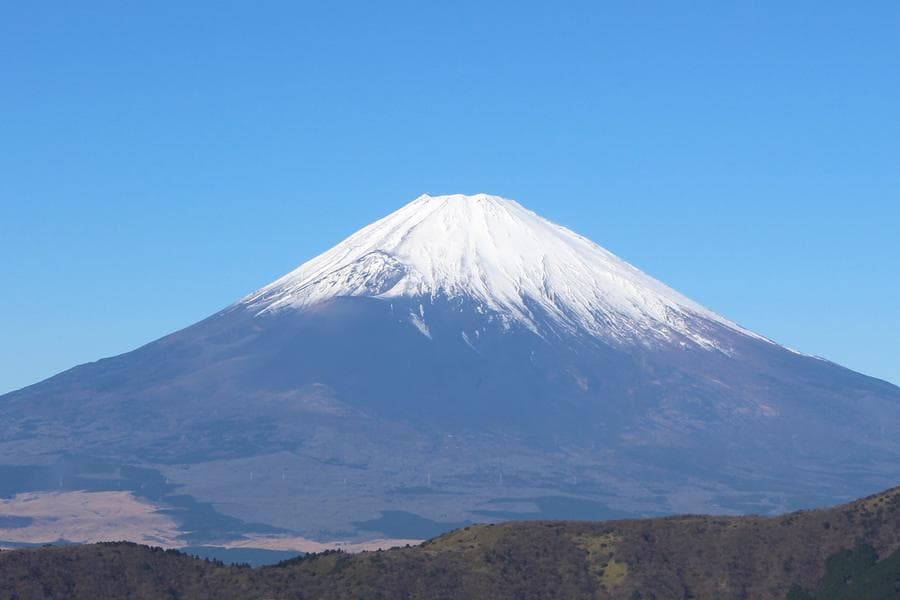
Japan's Rare Silver Week Returns Sept 19-23 — Does the Crowd Premium Eat the Weak Yen's Savings?
September 13, 2026
Japan's calendar lines up for a five-day break from Saturday 19 to Wednesday 23 September — Respect for the Aged Day (21st) and Autumn Equinox Day (23rd) bracket a "citizens' holiday" Tuesday, turning a normal weekend into "Silver Week." It's only the third time this alignment has happened since Japan's holiday law took its current shape, after 2009 and 2015, and it won't recur until 2032. For a country that just had 15 consecutive record months of inbound tourism, that means the whole domestic population traveling in the same five-day window as everyone still chasing the weak yen. With six days to go, is a Japan trip still worth booking, or has the crowd premium already eaten the currency discount?
The premium is already priced in
Rate-tracking firm HotelBank has been watching this window since May, and Kyoto is the clearest case: Silver Week nights are running roughly 50% above an ordinary mid-September weekday. The spike isn't even — ryokan and resort properties are taking the worst of it, while plain urban business hotels are comparatively muted, which matters for where you put your money.
Trains are the sharper problem. JR Central and JR West have confirmed the Tokyo–Osaka Nozomi runs fully reserved from 18 to 23 September — zero unreserved cars, the seating class that's normally the cheap fallback when you haven't planned ahead. Reserved seats open exactly one month before each departure, so the booking window for the 19 September outbound rush opened on 19 August; the single busiest slot of the holiday has likely been sold out for weeks already.
Flights carry the same premium. JAL is quoting HK$4,120 return HKG–KIX for a 19–25 September itinerary, and Cathay Pacific HK$3,916 for 19–26 September — both full-service fares squarely inside the holiday. Budget carriers on the same route list one-way fares as low as roughly HK$730–1,290 outside peak dates, which is the size of the gap Silver Week specifically closes.
What the yen still buys, before the crowd tax
None of this erases the currency side. USD/JPY sits near 154–155 this week, off July's 40-year low of 162.84 but still roughly 42% weaker than 2019's ~109 baseline — HK$1,000 converts to about ¥19,800 today versus ~¥14,000 seven years ago. That gap is the real reason Japan has stayed cheap through every tax and fee hike this year. The question Silver Week raises is how much of that 42% a five-day domestic holiday can claw back.
Run a plain hotel example: a HK$780-a-night business-hotel room in Kyoto for four nights is HK$3,120 outside the holiday; at the ~50% Silver Week premium, the same room is closer to HK$4,680 — a HK$1,560 hit that eats a meaningful slice of what the weak yen just saved you, and that's before the flight and train premiums stack on top.
Still worth it — if you book around the surge, not into it
The verdict doesn't flip to "skip it": the currency gap is too large for a five-day crowd tax to erase outright. But the way to actually keep the 42% is to route around the surge rather than pay it. Business hotels over ryokan and resorts, where the premium is smallest. Local or limited-express trains instead of the sold-out Nozomi reserved seats, or an off-peak departure later on the 19th rather than the dawn rush. Best of all: if your dates are still flexible, shifting arrival to 24–25 September clears both the hotel spike and the train sell-out while the yen is still sitting near its best levels of the year.